Blog about illegal surveillance, human rights violations, abuse of power, violence against women, misogyny, hate crime, organised harassment, discrimination, racism, illegal human experimentation, and more.
A new wave of attention has turned to the Spycops scandal — one of the most talked about chapters in modern British policing. The revelations are disturbing: undercover Metropolitan Police officers infiltrated themselves in activist groups, formed intimate relationships under false identities, fathered children, and then vanished without warning.
A recent ITV documentary, The Spycops Scandal, reviews the immense human cost of this systematic deception. One woman, Helen, believed she had found a true partner in a fellow Greenpeace activist, John Barker. They shared a home, a vision, and even talked about starting a family. Years later, she discovered that “John” never existed. He was an undercover officer sent to insinuate himself into her world — and her life.
As Helen told reporters, “This isn’t an accident or an isolated case of a rogue officer. This is institutional sexism being handed from officer to officer – how to deceive women into relationships and use them for cover, for sex, or whatever purpose they were using us for.”
The Spycops inquiry has exposed how severely such deceptions can injure those targeted — not only breaching privacy and autonomy, but also inflicting lasting psychological harm / psychiatric injury. Many victims were left devastated and lost their ability to trust again.
Reading these accounts, I couldn’t help but see a version of my own experience. I, too, believe that I have been subjected to intrusive and unlawful surveillance — cameras covertly installed in my accommodation, and still continuing to the present day, and constant digital and physical monitoring that mirrors the tactics once used by undercover police. But unlike the Spycops of the past, this network appears far broader, blending state and private actors, and civilians under their influence.
Worse still, I believe similar tactics are now being used against my daughter. In particular, I have strong reason to believe that someone has been deliberately placed in her life — a man from Spain — to feign a romantic relationship. This, I fear, is not genuine affection but a calculated attempt to control her, gather information, prevent her from contacting me freely, and hinder her from ever knowing the truth that she may also be exploited.
The purpose appears twofold: to manipulate her emotionally and psychologically, and to isolate both of us from one another — a deliberate act of retaliation and victimisation. The parallels to the Spycops scandal are chilling. In both cases, deception is used as a weapon: intimacy becomes infiltration, and love becomes a tool for exploitation.
I very worry about the long-term consequences. The women deceived by Spycops officers described profound trauma and psychiatric injury when their partners disappeared after years of deceit. If the same manipulation is happening to my daughter — if she is made to fall deeply for someone whose loyalty lies elsewhere — then the aftermath could be devastating for her, too.
These tactics go beyond surveillance; they are psychological warfare. They aim not only to monitor but to break — to dismantle one’s sense of safety, love, and honesty.
The goal seems clear — to destabilise, silence, and destroy from within. Like the Spycops victims, we are forced to question who we can trust and whether love itself can be genuine in the face of deceit.
The Spycops inquiry proves that such abuse of power is real and can have devastating human consequences. Our stories remind the world that surveillance isn’t only about technology — it’s about control, identity, and the right to live without fear of being illegally monitored and filmed 24/7 for malicious purposes.
It began in early 2023, when I submitted several formal complaints regarding individuals within different public and private sectors. At the time, I was unaware that these matters might be interconnected, but over time it has become apparent that they may stem from the same underlying network or entities.
I could not have anticipated that this would mark the start of a sequence of events that would completely upend my life — both personally and creatively.
Around August 2023, my daughter and her long-term partner of 12 years suddenly broke up. The timing felt abrupt, and almost immediately after, around September, I think, she began dating a much younger man from Spain (10 years younger) — a streamer she met online through mutual gaming friends. Despite their relationship now lasting around two years, he has never once visited her home. It’s always her who travels to Spain or meets him elsewhere on holiday. This detail has never sat easily with me; it raises questions about her safety and whether her home environment is secure.
Not long after this new relationship began, I started seeing something deeply unsettling. Films, commercials, and online content began appearing that seemed to reference her — including details about her personal life, even medical information, in ways that mirrored my own experiences of being mimicked and exposed. The parallels were too precise to dismiss as coincidence.
By October 2023, I began to suspect that my private and sensitive information — and perhaps even my daughter’s — had been leaked or shared illegally.
Around summer of 2024, I began writing on my previous blog, buppha.com, about organised harassment, illegal surveillance, voyeurism, stalking and tech abuse. I wrote from a place of curiosity and outrage, unaware that I was, in fact, describing my own lived reality. Soon after I started publishing those posts, the harassment escalated beyond anything I had experienced before.
Then came the realisation that changed everything: by late 2024, I began piecing together evidence that my private life — my most intimate, personal moments — had likely been secretly filmed and distributed for years, perhaps for more than a decade.
By early 2025, I decided to act. I began the formal legal process, sending Pre-Action Protocol Letters to those I believed responsible or complicit. Instead of stopping the abuse, this triggered an escalation — retaliation in new and alarming forms.
And then, the final straw came in the spring and summer of 2025, when I tried to apply for an urgent injunction multiple times through the King’s Bench Division. Each time, my evidence — carefully compiled, documented, and submitted — inexplicably disappeared?!
Now, looking back, this timeline is more than just a sequence of events. It tells the story of a pattern — of power, silence, and retaliation. It’s the record of how justice can be obstructed and delayed when those with influence abuse the very systems meant to protect.
But it’s also a record of endurance — of my determination to keep documenting, exposing, and standing up for myself.
Being a writer and filmmaker should mean freedom — the freedom to imagine, to create, and to express yourself. But for me, that freedom has been slowly eroded by relentless hacking and cyberstalking that have invaded every corner of my creative life. For years, my private writing — screenplays, journal notes, personal reflections, and creative concepts — has not been safe. Whatever I write and store on my devices seems to be monitored, copied, and stolen, only to reappear in distorted or reworked forms elsewhere. Sometimes this material is clearly used to mock or harass me, echoing my own words and experiences in ways that are deeply personal and distressing.
For years, my private writing — screenplays, journal notes, personal reflections, and creative concepts — has not been safe. Whatever I write and store on my devices seems to be monitored, copied, and stolen, only to reappear in distorted or reworked forms elsewhere. Sometimes this material is clearly used to mock or harass me, echoing my own words and experiences in ways that are deeply personal and distressing.
But it doesn’t stop there. What is even more alarming is the commercial exploitation of my stolen creative work. Ideas, plots, and scenes from my writing appear to have been leaked to third parties and later used in professionally produced content — including films and media projects — without my knowledge or consent.
It feels as if my intellectual property and even fragments of my private life have been mined and repackaged for others’ profit.
This is more than a privacy violation; it’s the systematic theft of my identity as an artist. It has made it nearly impossible to pursue my career safely. Every time I begin a new project, I am haunted by the fear that it will once again be intercepted, stolen, and used against me — either to ridicule or to enrich others.
The psychological toll is immense. Writing, which once brought me happiness and purpose, now brings anxiety and mistrust. Still, I continue to fight — not just for my work, but for the principle that creative ownership and privacy are fundamental human rights. No artist should have to live in fear that their imagination will be stolen, their privacy violated, or their life turned into someone else’s story.
It’s truly devastating that I can no longer pursue my dream careers as a writer, filmmaker and actress for now. That’s why you don’t see me doing much for the moment. I was used to actively working on my screenplays, attending networking, making short films, etc. Now I have to stop doing everything and can no longer afford to pay for my webhosting http://www.buppha.com since I have no job at the moment due to possible blacklisting. I just still can’t believe that this is actually happening to me and, perhaps, my daughter as well.
They are sending a clear signal that they will continue to invade every area of my life regardless and despite pending legal actions.
The industrial-scale harassment, sexual harassment, invasion of privacy, commercial exploitation, reputational sabotage, hacking, phone tracking, intimidation, and human rights abuses just continue despite pending legal actions. It’s something I have to live with daily — constant reminders that my privacy has been invaded in every way possible and my safety compromised.
Furthermore, they also keep implying to me that they’re also doing the same thing to my daughter. It’s one of the most evilest thing I have ever experienced.
Earlier this year, I tried to apply for an injunction several times already. I submitted my documents and evidence to the King’s Bench Division through the secure Dropbox system provided for court filings. Each time, I followed the process carefully — yet somehow, my documents, including my injunction application and N1 Claim Form, simply vanished. They never reached the court. This happened not once, but two or three times, causing significant delays to my case and prolonging the harm I continue to suffer.
Now, I’m preparing to apply again as well as initiating court proceedings. This injunction is not just another filing; it is a vital legal step to protect myself & my daughter and to hold those responsible accountable. The ongoing obstruction of justice, harassment, intimidation, invasion of privacy, voyeurism, hacking, cyberstalking, phone tracking, and misuse of my private information have taken a serious toll on my wellbeing.
The injunction represents more than just paperwork — it’s about survival, dignity, and the right to live without fear. Everyone deserves to feel safe, to be free from harassment and invasion of privacy. And when that safety and right to privacy are taken away, the law must step in.
I’m sharing this because no one should have to face harassment in silence. If you’ve experienced similar obstruction or intimidation, know that you’re not alone — and that persistence matters.
This application is my way of standing firm, refusing to be silenced, and demanding the protection and justice I should have received long ago.
Please share this post to as many people as you can with the hashtags:
#JusticeForBuppha
#JusticeForMyDaughter
#HumanRightsAbusesInTheUK
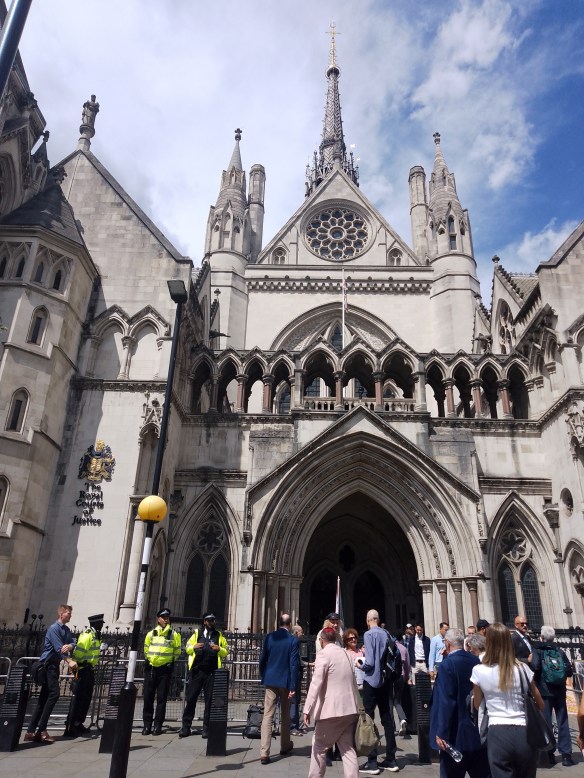
King’s Bench Division in London where I am going to apply for urgent injunctions and initiate court proceedings.
On 15 October 2025, I shared a link on my daughter’s Facebook profile to my blog post describing the sexual exploitation I’ve been subjected to through hidden cameras and years of unlawful surveillance. Along with the link, I included a message warning her that she might also be at risk of similar abuse — and urged her to seek help from a specialist IT professional to scan her home for hidden devices and to consult a human rights lawyer.
Less than twenty-four hours later, the post was gone. Not only that — every other post I had ever shared on her profile disappeared, too.
Crucially, she had never deleted my posts before. But as soon as I warned her that she might be a victim as well, everything vanished suggesting that this deletion was not her independent action.
When I tried to post again today, the new post was deleted almost instantly. Shortly afterward, my ability to post anything on her timeline was turned off entirely.
What they are doing to my daughter is not just criminal — it’s deeply unethical, cruel and evil. She is an innocent third party being deliberately targeted and even preventing her from accessing help or justice. This mirrors the same tactics I’ve experienced: suppression of information, obstruction of legal assistance, and retaliation whenever I try to protect myself or others.
This isn’t just censorship. If my daughter is indeed a victim, such actions directly violate her fundamental right to access justice under Article 6 of the European Convention on Human Rights, which protects every person’s right to be informed, to seek help, and to pursue legal remedies. Preventing her from even knowing she might be at risk denies her that right!
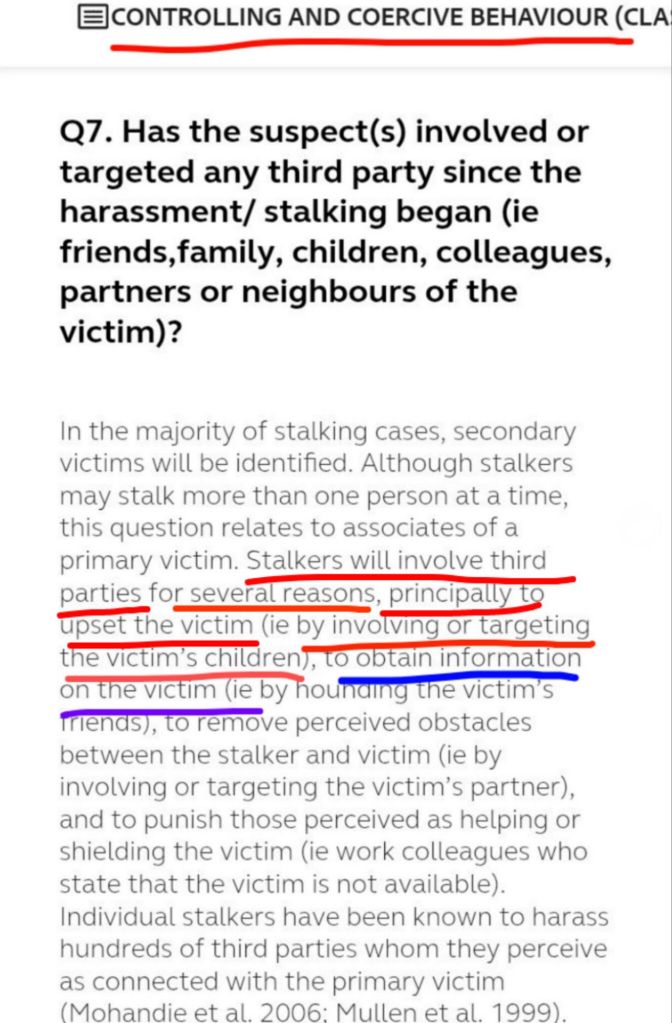
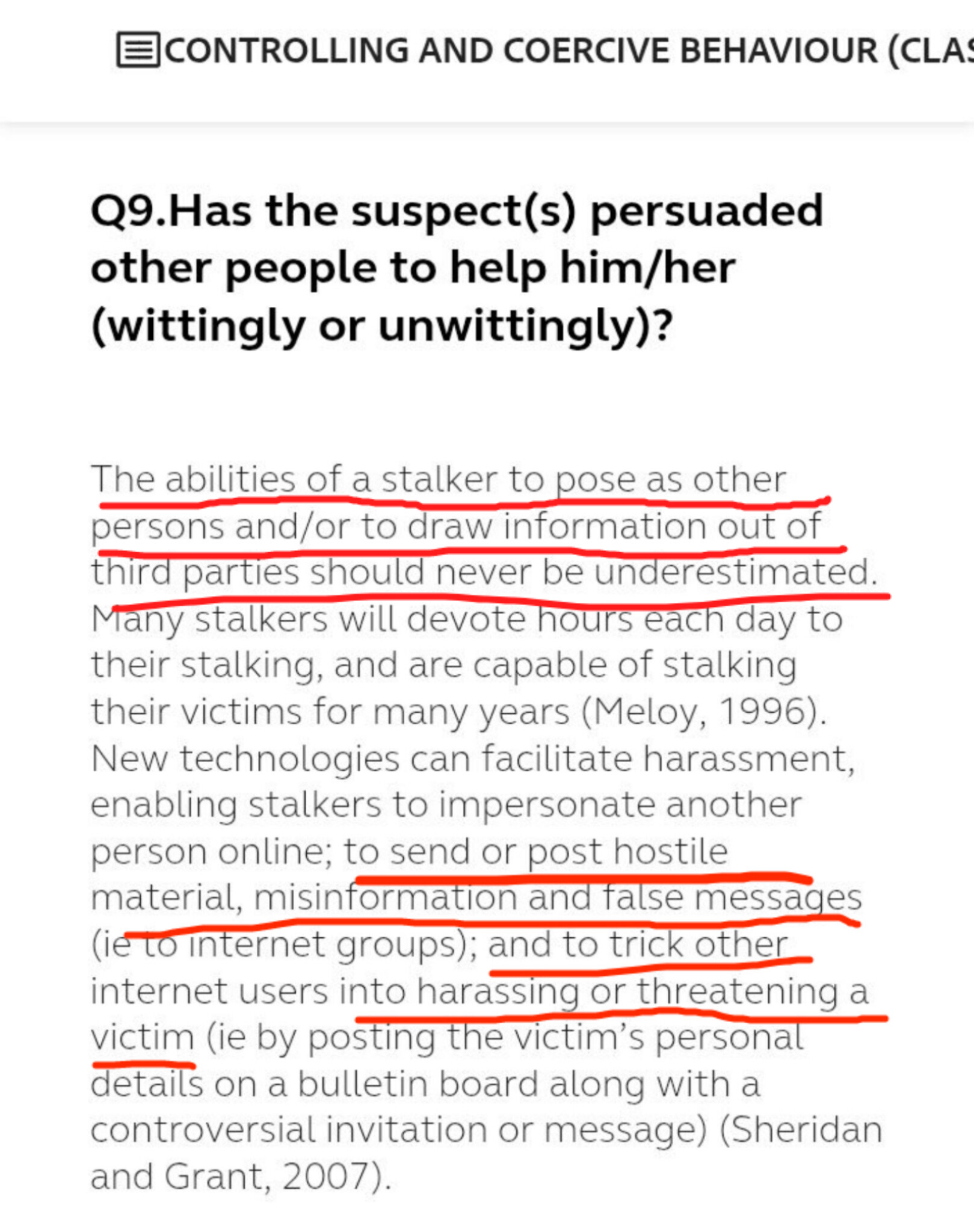
Their alleged actions in involving and targeting my daughter are consistent with known stalking methodologies, specifically the involvement of third parties to upset the victim, as outlined in official guidance for law enforcement. For example, the College of Policing’s ‘Stalking or harassment guidance’ (200519.pdf) states: ‘Stalkers will involve third parties for several reasons, principally to upset the victim (ie by involving or targeting the victim’s children), to obtain information on the victim, etc.
Another example of “Controlling and Coercive Behaviour” from the College of Policing’s ‘Stalking or harassment guidance’ (200519.pdf).
In addition to the direct harassment I’ve experienced, there are strong indications that certain individuals may also be encouraging or inciting others to participate in the ongoing campaign of stalking, harassment and intimidation against me. Over time, I’ve noticed multiple people — often strangers — appearing to copy distinctive words, phrases, or expressions that I use, where my own language appears to have been mirrored publicly, echoing them in ways clearly meant to provoke, distress, or humiliate me – and to let me know that I am being constantly watched both online (cyberstalking / hacking) and offline (e.g., illegal surveillance, stalking by proxy).
Such conduct aligns with the very patterns described in the College of Policing’s Stalking and Harassment Guidance (20 May 2019), as seen in the screenshot above, “Has the suspect(s) persuaded other people to help him/her (wittingly or unwittingly).”
This repeated imitation and coordinated behaviour suggest a wider network of individuals being influenced — directly or indirectly — to harass, mock, or intimidate me, amplifying the emotional and psychological harm I face on a daily basis.
I therefore have reasonable grounds to believe that they have deployed agents into her life. These agents are tasked with controlling her, extracting information to be used later, monitoring her activities, and actively suppressing any information or attempts to expose the truth about their actions. This may form an integral part of the ongoing conspiracy to pervert the course of justice and to further harass and intimidate me and my family.
I also reasonably believe that my daughter’s new boyfriend, who began a relationship with her approximately two years ago, may be acting as an agent as well. This belief is supported by the abrupt cessation of contact between me and her following the commencement of this relationship, and the timing of the deletion of the Facebook posts immediately after my warning.
This conduct, including the alleged influence over my daughter and the removal of critical information, constitutes a continuation of their alleged campaign of harassment, control, and obstruction.
Thus, they allegedly have, as part of their sustained campaign of harassment and abuse against me, deliberately involved and targeted my daughter. This action is clearly designed to cause me extreme emotional distress and psychological harm, leveraging my parental concern as a weapon against me.
What’s happening mirrors the broader pattern I’ve faced—of influence being used to block legal representation and suppress information. Together, these tactics reveal a consistent effort to obstruct justice for victims of serious privacy and human-rights violations.
Silencing a warning doesn’t erase the danger. It only delays accountability. The public deserves to know when access to justice itself is being quietly dismantled.
This pattern isn’t new. Each time I try to raise awareness about possible wrongdoing — especially when it involves protecting my daughter — the retaliation is swift. In the past, similar efforts to seek help have been met with accusations questioning my sanity, as if concern for a loved one were evidence of instability. This is a classic example of gaslighting and coercive control to prevent victims from seeking help and stopping the abuse, which will then allow them to carry on the abuse and exploitation under the radar.
Such reactions are not normal. They fit a broader pattern of suppression and isolation — tactics often used to prevent victims or their families from communicating, supporting one another, or seeking outside help. When warnings are silenced, questions must be asked: who benefits from keeping victims quiet?
This issue is no longer just personal. It’s a matter of public interest when possible victims of surveillance or sexual exploitation are not only targeted, but also actively prevented from obtaining information or assistance. Attempts to silence those raising legitimate safety concerns can amount to deliberate obstruction and deepen the harm.
I’m sharing this publicly because no one should be punished for trying to protect their child. If my warnings are removed in one place, I will continue to document them elsewhere — until they can no longer be ignored.
For those assisting in or considering involvement in this harassment and abuse: legal mechanisms exist, including Norwich Pharmacal Orders, Early Disclosure Orders, and calling individuals to testify under oath. There are serious consequences, including the risk of perjury. Anyone involved or is going to should think twice.
This is a matter of public interest. Raising awareness is essential to protect victims, expose abuse, and ensure that those targeted can access support and justice.
Silencing victims does not erase the truth. It only delays accountability.
Please share this post to as many people as you can with the hashtags:
“Anonymity, secrecy, or acting under someone else’s instruction does not protect you from liability. Justice moves with precision.”
Some individuals involved in the harassment, intimidation, data breach, misuse of private information, and defamation campaign against me may believe they are shielded by anonymity. They may think that if I don’t know their names or exact roles, they can evade justice. However, the law provides powerful tools to uncover hidden perpetrators and hold them accountable.
1. Norwich Pharmacal Orders: Compelling Disclosure from Third Parties
A Norwich Pharmacal Order (NPO) is a court order compelling a third party—such as an internet service provider, social media platform, email provider, or individual—to disclose information identifying wrongdoers.
This legal mechanism originated from Norwich Pharmacal Co. v Customs and Excise Commissioners [1974] AC 133, where the House of Lords held that courts can order an innocent third party “mixed up” in wrongdoing to reveal the wrongdoer’s identity.
Real-life example:
In Filatona Trading Ltd v Quinn Emanuel Urquhart & Sullivan UK LLP (2024), the High Court granted a Norwich Pharmacal order against a law firm to reveal the source of a confidential report used in litigation. Even reputable institutions can be compelled to disclose identifying information when they are inadvertently entangled in wrongdoing. (Osborne Clarke, 2024)
Key takeaways:
NPOs can identify anonymous users behind fake profiles or emails.
Third parties must comply once ordered by the court.
Courts grant NPOs when a claimant shows a credible case of wrongdoing and that disclosure is essential to identify the wrongdoer.
2. Early Disclosure Orders and Specific Disclosure
An Early Disclosure Order under CPR 31.16 enables a person to obtain documents before starting formal proceedings—vital in cases where identifying the wrongdoer is a necessary first step.
Specific Disclosure under CPR 31.12 can compel a defendant or third party to hand over key documents during proceedings.
Real-life example:
In EUI Ltd v Charles and Others (2018), the court granted pre-action disclosure in a suspected fraud case, confirming that early disclosure may be appropriate where evidence is at risk or where identity must be established before the claim can proceed. (Westlaw Practical Law)
Key takeaways:
Early disclosure uncovers hidden abusers before proceedings.
Specific disclosure can obtain crucial documents revealing who is responsible.
Courts ensure disclosure is necessary to deal with the case fairly.
3. Witness Summons and Testimony Under Oath
A witness summons is a court order requiring a person to attend court and give evidence—or produce documents—under oath. False testimony constitutes perjury, a criminal offence punishable by imprisonment.
Real-life example:
In Johnson v Westminster Magistrates’ Court [2019] EWHC 1709 (Admin), the High Court reviewed the process of summoning Boris Johnson to answer allegations of misconduct. This case illustrates that even high-profile individuals can be required to testify or face examination under oath. (Judiciary.uk)
Key takeaways:
Witnesses can be compelled to reveal who instructed or coordinated the wrongdoing.
False statements under oath carry criminal penalties.
Testimony can expose the full chain of conspirators.
When someone is summoned as a witness, they are legally required to tell the truth. Testifying under oath carries the risk of perjury, a criminal offence punishable by imprisonment. Once under oath, they cannot lie about who instructed them, what they were told to do, or how far the conspiracy extends — without exposing themselves to serious legal consequences.
Testimonies under oath can provide direct evidence of coordination, conspiracy, or misconduct, confirming the links between the visible and hidden participants in a campaign of wrongdoing.
4. The Message
For anyone involved — whether as a main perpetrator or an enabler — it’s important to understand that silence and secrecy do not guarantee safety. The legal system is built to pierce through layers of concealment.
For readers facing similar challenges: you do not have to feel powerless just because you don’t yet know every name. The law gives you a pathway to find the truth.
Every order, every summon, and every piece of testimony brings accountability closer.
Please share this post to as many people as you can, including the hashtags:
For the past several years, I truly believe I have been living a normal life. Just like everyone else. But in reality, I have been subjected to what I can only describe as obsessive and intrusive surveillance.
After finding out that I have been secretly and sexually exploiting via hidden cameras for more than a decade late last year, 2024, and trying to legally stop it, the severe harassment campaign against me started!
The campaign of excessive surveillance and covert harassment against me has now reached an industrial scale where I can’t go anywhere without being harassed, sexually harassed, stalked, and sometimes even intimidated. It’s like public lynching, which is a form of unlawful retaliation and victimisation.
As a 54-year-old South East Asian woman living alone, I have become an easy target for tactics that exploit vulnerability and isolation. This may constitute race, age and gender abuse / discrimination, amounting to violence against women and a possible hate crime as well. This campaign of intimidation, covert harassment and intrusive surveillance has left me fearful, anxious, and exhausted, yet determined to share my story to raise awareness and advocate for justice.
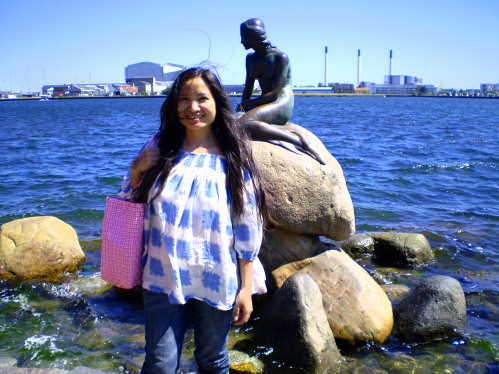
Copenhagen, Denmark.
The systematic and illegal surveillance includes the non-consensual installation of hidden cameras in my private residences, and even in shared rooms and bathrooms at every hostel I have stayed at both in the UK and Denmark, the live broadcasting of my intimate life, and the widespread distribution of these images to pornographic sites, individuals I know, social media sites, tech platforms, and God knows where else they have distributed / live streamed to! They have also engaged in constant cyberstalking, racial and sexual harassment, and intimidation tactics, including displaying imitation firearms when I sought legal counsel.
Many human rights experts have described as covert surveillance and organised harassment. The Office of the High Commissioner for Human Rights (OHCHR) has even documented these techniques: stalking, sound campaigns, conditioning, gaslighting, sleep deprivation, and targeted disinformation to discredit victims. Every tactic they list matches my experience — in detail and intent.
I am constantly monitored through covert means. Each movement in my home seems mirrored by external signals — footsteps, doors closing, whistling, loud conversations, or vehicles driving past my window at precisely timed moments. People appear wearing coordinated colours — navy blue, army green, burgundy, red, and orange, for instance — that have been repeatedly used in this harassment campaign as psychological triggers.
Their actions go far beyond illegal voyeuristic surveillance. The hidden cameras installed in all my accommodations, both past and present, are used not only to record me for distribution purposes but also to excessively monitor me in real time, 24/7. This allows them to coordinate harassment strategies with precision.
For example, when I step into the kitchen, I frequently observe individuals emerging outside almost simultaneously, visible through the small gap of the window. The timing is so exact that it cannot be coincidental; it reflects an immediate response to my private movements. This demonstrates that individuals are being stationed in nearby “holding areas” ready to be deployed at any moment, proving that the surveillance is actively used to harass and intimidate me.
Furthermore, these individuals often wear or carry items in specific colour ranges, as I said earlier, consistently associated with the harassment campaign against me. The repetition of these symbolic colours makes clear that their presence is not accidental but a deliberate sign intended to remind me that I am being constantly watched.
They use conditioning techniques—repeated visible cues such as people coughing, repeated use of specific clothing colours, and people walking past my window at precisely the moments I move—to sensitise and intimidate me and to make me self-police. These tactics, described by OHCHR as recognised harassment techniques, correspond with covert, real-time surveillance of my movements. It’s psychological torture by making me feel uncomfortable around the clock, knowing I am being constantly watched.
To reclaim a sense of agency and to gather irrefutable evidence of the external activities associated with this surveillance, I am exploring the installation of external recording devices. This is a necessary measure to document the ongoing nature of these crimes and to support my pursuit of justice against those responsible for this egregious human rights violation.
The fear of being recorded has affected my daily routines, including basic self-care. I have avoided showering for days, fearing that intimate footage may be captured and distributed without my consent. The strain on my health, hygiene, and emotional well-being is profound. It’s pure torture when I can’t even take a shower.
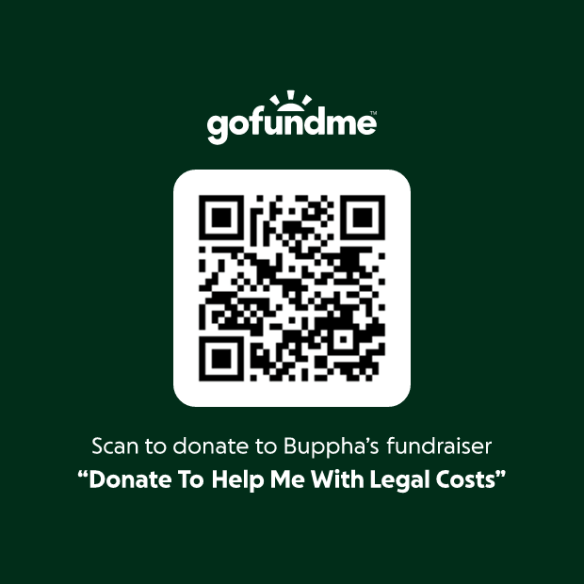
Please donate. Just scan the code on the image above or click on it to be taken to my GoFundMe page.
Psychological and Emotional Impact
The tactics used in this harassment campaign mirror those documented by human-rights organizations: conditioning, sleep deprivation, gaslighting, sound campaigns, and repeated hints of being constantly watched to make the victims feel uncomfortable around the clock. These practices are designed to instill fear, self-doubt, and paranoia, ultimately isolating the victim from support networks and normal life. The emotional toll is immense. Feeling constantly watched, and knowing my private life could be misused, has caused severe distress.
A Call to Action
No one should live in fear in their own home. Harassment and invasion of privacy can happen to anyone, but marginalised or isolated individuals are particularly at risk.
So, I want to seek justice, aim to prevent others from suffering similar abuse, and expose systemic corruption. We can create a safer environment for everyone by talking openly about these issues. It is important to support victims. We should thus advocate for stronger protections to guarantee justice.
Please share this post to as many people as you can, including the hashtags: #JusticeForBuppha #HumanRightsAbusesInTheUK
Imagine living your life under constant observation, where every movement, every gesture, every private moment is monitored, recorded, zoomed in, and exploited. This is my reality. For years, I have been subjected to organised harassment, covert surveillance, and media exploitation, a pattern of abuse recognised by the United Nations and documented in OHCHR human rights reports.
The harassment and excessive monitoring campaign against me intensified last year, 2024, when I found out I have been living under 24/7 intrusive and illegal surveillance and tried to legally stop it.
Thus, this post details my experience of ongoing covert, intrusive surveillance around the clock, psychological harassment, and the industrial-scale misuse of private information, referencing UN-recognised harassment techniques. Insights for journalists, investigative journalists, policymakers, human rights organisations, human rights watch, human rights lawyers, politicians and advocates.
Industrial-Scale Exploitation of Private Life
For over a decade, my private life has secretly been under constant, unlawful and intrusive surveillance, racial and sexual harassment, and exploitation, targeting both my private life and my loved ones.
Hidden cameras captured intimate moments, including my personal relationships and private activities, without my consent. This footage has allegedly been shared widely—across online platforms, pornographic sites, and even with the people I know, including my daughter’s childhood friends to humiliate her as well (I have strong circumstantial evidence of this and will present it to the court. They may even be called to testify under oath). But she isn’t aware of it.
These entities profit financially while deliberately inflicting emotional distress. Even my daughter has allegedly been targeted, demonstrating malicious intent extending beyond myself. They even keep implying that they’re also exploiting her to cause me additional distress.
They use a range of psychological tactics, illegal surveillance methods, and media exploitation to intimidate, control, and humiliate me. Despite ongoing / pending legal actions, the harassment has escalated, showing malicious intent and deliberate obstruction of justice.
I am sharing my story publicly because silence allows them to shape the narrative, especially when they are high-profile individuals, tech executives, or institutions with reputations to protect.
Despite anticipated legal actions, these violations continue unabated, leaving me with no choice but to go public to protect myself and highlight the broader injustice.
The intent is unmistakable: to humiliate, harass, and exploit me, and probably my daughter as well, for financial gain. Even as I take legal steps to protect myself, these actions continue. My access to legal representation has been deliberately blocked, making it even more difficult to challenge this ongoing abuse.
Daily Surveillance and Harassment
The harassment I face is continuous, 24/7, and involves multiple methods:
Helicopter intimidation: Helicopters frequently fly over the courthouse (King’s Bench Division) or my residence whenever I attempt to assert my rights, submit court documents, on the verge of initiating court proceedings, or contact law firms.
Push notifications, emails, or phone calls timed to coincide with my private activities, such as using the bathroom, cooking, or moving in bed.
Conditioning and signalling: Individuals wear specific colours (e.g., navy blue, army green) to imply intentionality and perform specific actions, like opening doors, leaving / returning, conversing, whistling, or walking past my window in sync with my movements such as when I step into the kitchen, open the bathroom door, to remind me I am being constantly monitored.
Vehicle harassment: Cars and motorcycles drive past or accelerate at precise moments during my daily routines or just to make a turn in bed to signal constant, intrusive surveillance with the purpose to make me feel uncomfortable around the clock, knowing I am being constantly watched.
Children’s distraction techniques: Even children are used to create auditory hints, talking loudly to catch my attention at key moments.
These tactics are not random; they appear deliberately orchestrated to instill fear, paranoia, and a constant sense of surveillance, aligning with violations of Human Rights Act 1998, for example:
Article 3: Freedom from torture and inhuman or degrading treatment.
Article 8: Respect for your private and family life.
Article 6: Right to a fair trial.
They just seem to try to violate all my human rights.
Industrial-ScaleMisuse of Private Information
They have systematically exploited my private materials for financial gain and public humiliation:
Unauthorised filming and distribution: Hidden cameras and surveillance devices were used to obtain private footage with audio as well!
Media and film exploitation: My private materials and information have been allegedly shared with film companies, voyeuristic websites, porn sites, advertisement companies, tech platforms, social media sites and other media to produce content referencing my life, which is also a form of harassment on top of commercial exploitation.
Unjust enrichment: These entities profit from my experiences without my permission while intentionally inflicting emotional distress.
Impact on family: Even my daughter has probably been targeted as well through voyeurism and shared private material, showing malicious intent beyond myself.
These actions constitute harassment, invasion of privacy on a global scale, and intentional infliction of emotional distress, with a clear commercial dimension; it’s an illegal enterprise that they don’t want the public to know.
Documented Harassment Techniques Recognised by the UN
What I have endured is not an isolated or “localised” situation. The Office of the United Nations High Commissioner for Human Rights (OHCHR) has itself published detailed lists of harassment techniques used globally against victims of covert surveillance and organised stalking. These methods are documented as forms of psychological torture and community-based harassment.
According to the OHCHR’s report (“Harassment Techniques,” OHCHR.org), such tactics include:
Surveillance — Victims are persistently followed, electronically and physically monitored 24/7, and subjected to phone or computer hacking, including phone tracking.
Profiling — Intimate personal data is collected, often via trusted individuals or partners, and later weaponised to exploit emotional weaknesses.
Conditioning — Victims are sensitised to specific triggers such as coughing, colour patterns, hand gestures, or car headlights, which are then repeated to induce fear and hypervigilance.
Sound Campaigns — Abnormally high noise levels are directed at victims using cars, garbage trucks, shouting, or directional speakers to disturb peace and create psychological distress.
Sleep Deprivation — Victims are deliberately woken multiple times per night or kept awake for extended periods, impairing their ability to function and discrediting them as unstable.
Baiting and Entrapment — Harassers provoke victims into defensive reactions or minor offences, later used to criminalise or discredit them.
Gaslighting — A form of psychological abuse that distorts the victim’s perception of reality, undermining their confidence and mental stability.
Black-Bag Jobs — Covert entries into victims’ homes, with items moved or tampered with to induce self-doubt and fear.
Propaganda and Disinformation — Online misinformation campaigns spread to discredit victims and frame them as delusional, while false “support groups” are created to further isolate, manipulate and gaslight them.
Simulated Mental Health Symptoms — Harassers mimic or induce behaviours designed to make victims appear mentally ill, ensuring disbelief and institutional neglect.
These methods are well-documented human rights abuses and are therefore not isolated incidents.
Similar tactics have been reported by other UK survivors and other victims around the world. For example, another UK survivor of covert surveillance and organised harassment has confirmed that perpetrators use everyday stimuli (cars, clothing, coughs, phones) to create hypervigilance, fear, and trauma. This matches the tactics used against me daily, including colour-coded clothing, spitting, and staged public messages.
I am sharing my experience to urge journalists, policymakers, and human rights organisations to:
Investigate organised harassment networks.
Protect victims from illegal surveillance and exploitation.
Ensure perpetrators face legal and ethical consequences.
Living under 24/7 intrusive surveillance and having private life exploited for profit is a violation of human rights, a form of psychological torture, and an urgent social issue. Public awareness is the first step toward justice.
Conclusion
The combination of illegal surveillance, psychological harassment, and media exploitation represents a severe violation of human rights. By sharing my experience, I hope to:
Raise awareness of organised harassment campaigns.
Provide a roadmap for victims to document and publicise abuses.
Encourage policymakers, journalists, and human rights organisations to investigate, intervene, and prevent these abuses.
These are not isolated incidents — they are part of a systematic abuse of power with both financial and psychological motives.
In any fair society, legal representation is not a privilege—it is a fundamental right. It is one of the few tools individuals have to defend themselves against injustice, abuse of power, and exploitation by those with more influence, resources, or institutional backing. When that right is deliberately withheld—especially in cases involving powerful individuals or state actors—it’s an insult to democracy!
It thus becomes a matter of public interest and human rights.
For probably over a decade, I have endured unrelenting harassment, continuing surveillance campaign and targeted intimidation, both online and offline, which intensifies each time I try to speak out and to do something to stop the ongoing abuse. The individuals and entities behind this campaign of abuse are not just random strangers — they include powerful people and state-affiliated actors. Yet, while they enjoy full access to legal representation to protect themselves and mount their defence, I have been systematically and deliberately deprived of the same basic right.
I write this from a deeply personal experience. I am someone who has been persistently targeted and harassed both online and offline for maybe more than a decade. My case involves highly sophisticated techniques of psychological manipulation, illegal surveillance, symbolic harassment, colour harassment, racial and sexual harassment, and repeated acts of intimidation. And yet, despite the seriousness and scale of this campaign against me, I have been systematically denied access to legal representation.
Why I Desperately Need Legal Representation
Having a lawyer or barrister would act as a protective buffer between me and those who are targeting me. Having access to legal representation is not just a procedural right — it is an essential lifeline, especially for individuals being targeted by powerful adversaries or those who wield institutional influence. A lawyer or barrister would:
Apply for emergency injunctions swiftly—even over the phone, on weekends, or outside court hours, which could stop the ongoing abuses in an instant.
Serve as a protective buffer against direct and retaliatory intimidation.
Help me swiftly seek protective orders in moments of urgent danger.
Navigate the complex legal system, which is quite overwhelming for those without support.
Protect my rights, safeguard my evidence, protect me from injustice and discrimination, prevent gaslighting and manipulation, and effectively defend my case and interests.
Challenge those who are using their institutional power to suppress and retaliate against me.
Advocate on my behalf to prevent further escalation or psychological harm.
Challenge any racial or discriminatory practices that are being used against me.
The very people or institutions harassing me already have legal representation—to defend themselves, to intimidate, and to delay or derail justice. The fact that I, the victim, am denied the same right is not only unjust—it is deliberate.
This is not just a personal struggle; it is a matter of public interest and a human rights issue.
Legal Representation: More Than Just a Right
Legal representation is not a luxury — it is a fundamental safeguard in any democratic society. It serves as a buffer between an individual and systemic abuse, offering protection, advocacy, and the ability to assert one’s legal rights within a complex judicial system. Especially for someone facing powerful adversaries — including institutions, corporations, and individuals with significant resources — access to a solicitor or barrister is critical.
Legal professionals can swiftly apply for urgent injunctions, including out-of-hours or weekend applications, when safety or serious harm is at stake. I have been denied this protection. As a result, I have been left vulnerable to escalating retaliation, without a mechanism to enforce even the most basic boundaries.
A Pattern of Intimidation and Retaliation
Whenever I attempt to speak out about their harassment techniques, they almost immediately punish me!
The calculated nature of the punishment and retaliation — timed to moments of vulnerability or assertion — is intended to inflict emotional distress and reassert their control.
Escalation in Response to Resistance
Each time I attempt to document or speak publicly about these techniques, the harassment escalates dramatically. They replicate the exact same tactics — but ten times more intensely — to punish and provoke me. It’s a form of psychological warfare and coercive control, designed to deter me from resisting, and to enforce submission through retaliation.
This reaction further supports the theory that my activities — including writing, messaging, or any form of documentation — are being continuously and illegally monitored. The perpetrators sift through my private digital life to identify sensitive points, then design new harassment strategies in real-time.
Discrimination and Systemic Injustice
It is impossible to ignore the racial and discriminatory dimension of this abuse. I am a woman of colour. I am not white. And I believe that if I were white, I would never have been subjected to this kind of prolonged, targeted harassment — certainly not for over a decade, with state actors involved, and certainly not with such systematic barriers to legal help.
I have been left isolated, with no legal advocate, no protection, and no recourse — while my abusers continue their violations with impunity.
This is not just harassment. It is severe racial, psychological and mental abuse, fuelled by discriminatory bias and sustained by the denial of my rights.
The Public Interest.
This situation is not unique to me. When someone’s access to justice is systematically blocked — particularly while they are being abused — that is a matter of public interest. When powerful individuals or institutions seemingly collude to deny a person legal representation, weaponise surveillance, and escalate harassment as punishment for speaking out, it goes beyond personal grievance.
It becomes a threat to the rule of law itself.
I Refuse to Be Silent Any Longer
For years, I stayed silent, hoping that enduring would somehow lead to an end. But silence has only emboldened them. My refusal to be abused is not defiance — it is survival. And now, I am speaking out not only for myself, but for everyone whose rights are quietly stripped from them while their pain is mocked or ignored.
It is time for this to end.
I don’t want to suffer in silence anymore.
I demand what every person is entitled to under law: the right to safety, dignity, and legal protection.
Instead, I have been left completely unrepresented — deliberately denied the legal help I urgently need, while my abusers exploit their access to power, law enforcement, and professional networks to continue harming me with impunity.
Insights from the Medium article
What I Read — And How They Retaliated
Recently, I came across a powerful Medium article titled Understanding Gangstalking: Methods and Protection. It captured with startling accuracy the very tactics used against me — and the moment I began reading it, I was again harassed in real-time, with throat-clearing noises from my neighbour (because they appear to turn everyone against me, even the community I live in) to imply coercive control and other signs of constant surveillance both digitally and physically. Those around me are then instructed to act as messengers to deliver hidden messages that they are illegally monitoring me around the clock!
Here are a few key takeaways from the article that resonate deeply with my own experience:
Abuse of Power and Influence
The perpetrators include individuals in positions of authority — even those with “public-facing” roles — who manipulate systems (such as law enforcement or social services) to isolate and discredit their victims.
Invasion of Privacy
Like many victims, I’ve experienced 24/7 illegal surveillance – both online and offline. My confidential information appears to be broadcast or shared with various places and companies, who then recycle it into mocking, targeted content meant to cause distress.
Slander, Rumors, and Gossip
They use untruths to create division between their victims and people in their community — from landlords to coworkers to acquaintances — spreading lies to isolate the victims and destroy their support network.
Unofficial “Games” and Entertainment
This was especially chilling. The article describes how some perpetrators treat the abuse as entertainment — as a kind of sick, sadistic sport. They view a victim’s suffering, even breakdowns or cries for help, as amusement. I, too, have been treated like a source of “entertainment” rather than a human being. This explains why they seem to escalate when I’m in distress, turning even my pain into a cruel spectacle. It’s a chilling form of psychological torture.
The information below is what I read on Medium, which triggered the throat-clearing harassment and intimidation that I had just experienced earlier this morning:
Abuse of Power and Influence: Perpetrators in positions of authority, including those within religious or spiritual groups, and even “unseen” with public fronts, often use their roles to facilitate harassment. This may involve manipulating law enforcement, leveraging influence over community resources, or using professional networks to isolate and strategically target individuals.
Invasion of Privacy: Victims frequently report extensive breaches of privacy, such as unauthorized surveillance and hacking of electronic devices. This indicates deep intrusions into personal lives, with perpetrators — sometimes part of unseen groups or secretive organizations — accessing confidential information to manipulate and control.
Slander, Rumors, and Gossip: An additional and potent tool in the gangstalking arsenal is the strategic use of slander, rumors, and gossip to discredit and isolate the victim within their community. By spreading untruths and manipulative stories, harassers create environments of mistrust and fear, often pitting friends, family, and colleagues against the victim. This tactic not only undermines the victim’s support network but also serves as a psychological weapon, further entrenching feelings of helplessness and isolation.
Divide and Conquer Techniques: These methods are linked with spreading rumors and fostering distrust. By creating and exacerbating rifts between the victim and those in their immediate social or professional circles, perpetrators can more effectively control and manipulate situations to their advantage, weakening the victim’s defenses and ability to seek help.
Motives Behind Gangstalking:
The motives for gangstalking are diverse and often disturbing, reflecting a range of unethical intentions:
Silencing Dissent: This motive is frequently cited in instances where the target is involved in activism or has acted as a whistleblower. Perpetrators, often representing powerful interests or entities, use gangstalking tactics to suppress and discourage any opposition that could threaten their status quo or expose wrongdoing.
Social Manipulation: Gangstalking is also described as a tool for broad societal control, orchestrated by influential groups aiming to destabilize or manipulate specific communities or individuals. This tactic can be employed to enforce conformity, discourage certain behaviors, or even as a means of social experimentation.
Unofficial Competitions and “Games” of Entertainment: Another unsettling motive involves gangstalking being used as a form of entertainment for the perpetrators, who may treat the harassment like a game or competition. This often sadistic perspective is especially troubling as it turns the severe distress and harm of victims into a source of amusement and competition among groups. This kind of motive underscores a deep lack of empathy and disregard for human rights, as participants in these “games” seek thrills at the expense of another’s well-being.
Building Awareness and Community Support: Engaging with supportive communities can significantly reduce feelings of isolation and help validate the experiences of those targeted. Joining or forming support groups, participating in forums, and educating the local community about gangstalking can foster a supportive network. Public speaking, blogging, and social media can also be powerful tools for raising awareness and connecting with others who share similar experiences.
Legal Recourse: Consulting with legal professionals is crucial. They can offer guidance on the feasibility of legal action based on evidence, help obtain restraining orders, and navigate the complexities of privacy laws. Understanding one’s legal rights is essential for effectively addressing and documenting instances of harassment.
Another interesting post below about stalking and harassment also perfectly matches my situation:
What may prevent a victim from seeking help?
Not understanding that what is happening to them is stalking and/or illegal.
Fear that others will think they are over-reacting or that they will be blamed for somehow having encouraged the stalker in the first place.
Trying to pretend that it is not happening. Believing that they should be able to deal with the situation, thinking that the stalker will see reason.
Fears about how the stalker will respond either to them or those that they love or care for.
Direct threats from the stalker. This is what they also appear to do to me by sending me implied threats (for example, death threats and kidnapping) both against me and my daughter.
Feeling isolated in their plight, believing that there is nothing that can be done to help them, or not knowing who to go to.
Previous requests for help being ignored.
Financial limitations in regard to seeking legal advice or taking time off to seek help.
Limited options in respect to changing their situation e.g. relocation to safer housing.
What makes this all even more harrowing is that every time I document or speak about these abuses, there is an immediate, traceable retaliation.
If I write about being harassed by a police van, another one appears within minutes.
If I speak out online, push notifications or advertisements arrive within seconds with encoded insults or mocking messages.
When I began reading the Medium article, I was immediately targeted with loud throat-clearing — a known form of signal harassment and coercive control.
This pattern strongly suggests that my devices and online activity are being illegally monitored, including phone tracking — not just passively, but to generate targeted, real-time abuse meant to silence me and enforce control.
This Is Also Racial Discrimination
It’s impossible to separate this abuse from my identity. I strongly believe that if I were white, I would not be subjected to this kind of targeted, prolonged abuse, nor denied legal representation for over a decade.
I am a woman of colour — and my rights, my privacy, and my humanity have all been treated as disposable. The systemic denial of legal help, coupled with sustained, racially charged abuse, points clearly to institutional discrimination.
Silence Helps Them — So I Am Speaking Out
The Medium article also encouraged victims to reclaim their voice:
> “Public speaking, blogging, and social media can be powerful tools for raising awareness and connecting with others who share similar experiences.”
This is what I am doing now. Because staying silent has only empowered the abusers. It made them believe they could continue — unchecked, unchallenged, and invisible.
But I will no longer be invisible.
I will speak up. I will document. I will resist.
What Needs to Happen
1. Immediate access to legal representation. I need a lawyer or barrister urgently to apply for injunctions, challenge the abuse, and assert my legal and human rights.
2. Investigation into illegal surveillance and discrimination. My case needs to be heard. Not silenced, not buried. This includes an inquiry into institutional complicity and digital misconduct (Malicious Communications Act 1988, Computer Misuse Act 1990, Online Harassment, Cyberstalking, etc.).
3. Community and legislative awareness. We must educate others — including legal professionals, mental health workers, and the general public — about how gangstalking or organised harassment operates and the real harm it causes.
Conclusion: My Story Is a Warning
The abuse I face is not just about me. It is about what happens when institutions fail to protect the vulnerable and side with those in power. It’s about how technology is used not just to monitor — but to torment. And it’s about what happens when access to justice is blocked in plain sight. Gangstalking or covert harassment is not a conspiracy theory. It is a real, complex, and deeply traumatising form of harassment — and the longer we pretend it’s not happening, the more people will suffer in silence, which may lead to self harm or even suicide.
I refuse to suffer in silence any longer.
How Do They Know Everything I Do?
This is the question I keep asking: How do they always know what I’m writing, reading, or thinking — in real time? The only explanation is that they are illegally monitoring my devices, my communications, and possibly my physical location through hidden surveillance cameras or spyware. This surveillance is not passive. It is designed to detect sensitive moments and weaponise them instantly — through gestures, alerts, messages, or staged events.
This is why I can no longer remain silent. I believe that my silence — my attempts to remain composed, dignified, and private — is part of what emboldened them. By never publicly naming what they were doing, I gave them room to continue. That stops now.
Denial of Legal Representation Is Part of the Abuse
All of this leads back to the legal system. Why am I being denied access to a solicitor or barrister when I need them most? Why am I being forced to navigate complex, urgent court procedures alone — while the other side uses lawyers, influence, and insider knowledge to protect themselves?
The denial of legal representation is not just an administrative failure. It is part of the broader pattern of discrimination, obstruction, and psychological warfare being waged against me.
I Am Fighting Back
This blog post is not just a personal outcry. It is a public declaration of intent. I will continue to document every incident — every insult, every signal, every escalation — and expose the tactics used to isolate, silence, and destroy victims of harassment.
I will not stop seeking justice. I will not be silenced by fear or shame.
And I will continue to demand legal representation — not just for myself, but for every person who is silenced, surveilled, and excluded from justice because they do not have power or protection.
If you’re reading this and you believe in justice, transparency, or the right to live free from surveillance and intimidation, I ask you to stand with me. Speak out. Share. And demand that victims like me are given the legal tools to fight back.