
1. The Initial Discovery of Cross-Border Data Laundering
While the upcoming television series Elle represents the most recent active exploitation of my private data, the structural monetization of my life narratives began with the production and release of the feature film Babygirl (2024), starring Nicole Kidman. The monetization of my private life may have started long before this. But the film Babygirl (2024), is the one that I began to uncover that my private life non-consensually filmed with hidden cameras 24/7 has been commercialised widely – even in feature films.
This production served as the primary diagnostic indicator that the covert surveillance infrastructure inside my private residence was not merely being used for localized harassment and sexual gratification, but was functioning as a commercial content pipeline. The screenplay and thematic progression of Babygirl mirror, with granular accuracy, specific intimate developments, personal vulnerabilities, and the exact phrasing of private domestic arguments that took place years ago with my Danish ex-husband Jørgen Mortensen, who is also the father of our daughter living alone in Germany, in which the state-actor defendants have also subjected her to the exact same sexual abuse & exploitation via hidden cameras, including via a sexpionage operation.
2. The Mechanics of the Supply Chain: Domestic Compromise
The correlation between the script of Babygirl (written, produced and directed by Halina Reijn) and my un-broadcast, private life strongly indicates that data stolen via illicit audio-visual recording devices—alongside historical personal information—was compiled and trafficked without my knowledge or consent. In the context of cross-border intellectual property theft, this points to a coordinated supply chain where domestic actors extracted private matrimonial and intimate data and laundered it into the international entertainment market for commercial profit.
3. The Deprivation of Counsel as a Corporate Shield
Under normal circumstances, a citizen discovering that their private life and highly intimate moments have been commodified into a major feature film would retain legal counsel to issue subpoenas, demand production logs, and initiate chain-of-title discovery against the studio (A24) and the creators.
However, because public authorities systematically monitor my digital devices and intercept my outreach to independent lawyers, I am structurally barred from utilizing the court system. The co-defendants—both the state actors operating the surveillance hardware and the commercial entities profiting from the film—rely on this Article 6 ECHR violation to avoid accountability. They operate under the assumption that as long as I am legally isolated, the true origin of their source material will remain hidden from the public.
4. Direct Call for Journalistic and Ethical Scrutiny
Following the public precedent established by individuals exposing identity theft in the entertainment industry, this addendum serves as formal notice to the public, media watchdogs, and the SAG-AFTRA Ethics Committee.
Investigative journalists are urged to review the production timelines and script acquisition records of Babygirl (2024). The international public is my witness: the entertainment industry cannot be permitted to use state-enforced legal blockades to insulate themselves from the consequences of utilizing non-consensual intimate data as commercial entertainment.


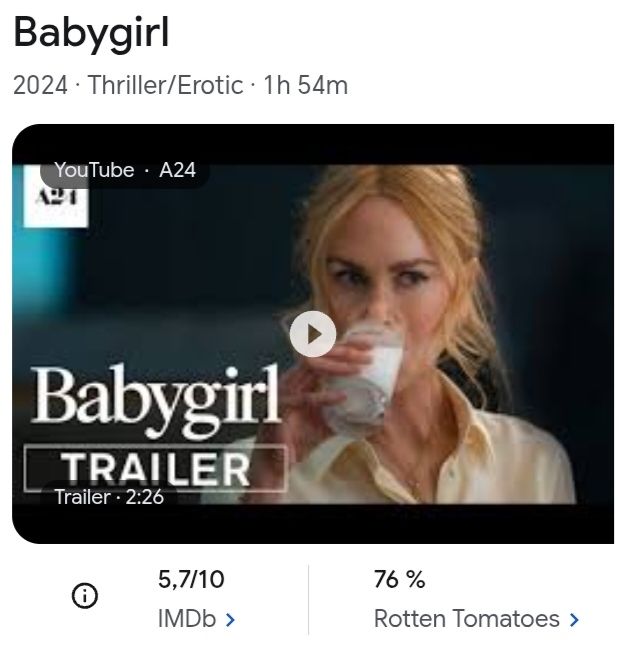
Halina Reijn did give some hints that it’s inspired by a real life story but then added, it’s from her own story. Particularly regarding the milk. I am not so sure about that. Look at both pictures above. This is one of the strong indications that my private life has been stolen from me in every way possible, not just via hidden cameras. This proves that the state-actor defendants have been violating my privacy in secret for years.
