Blog about illegal surveillance, human rights violations, abuse of power, violence against women, misogyny, hate crime, organised harassment, discrimination, racism, illegal human experimentation, and more.
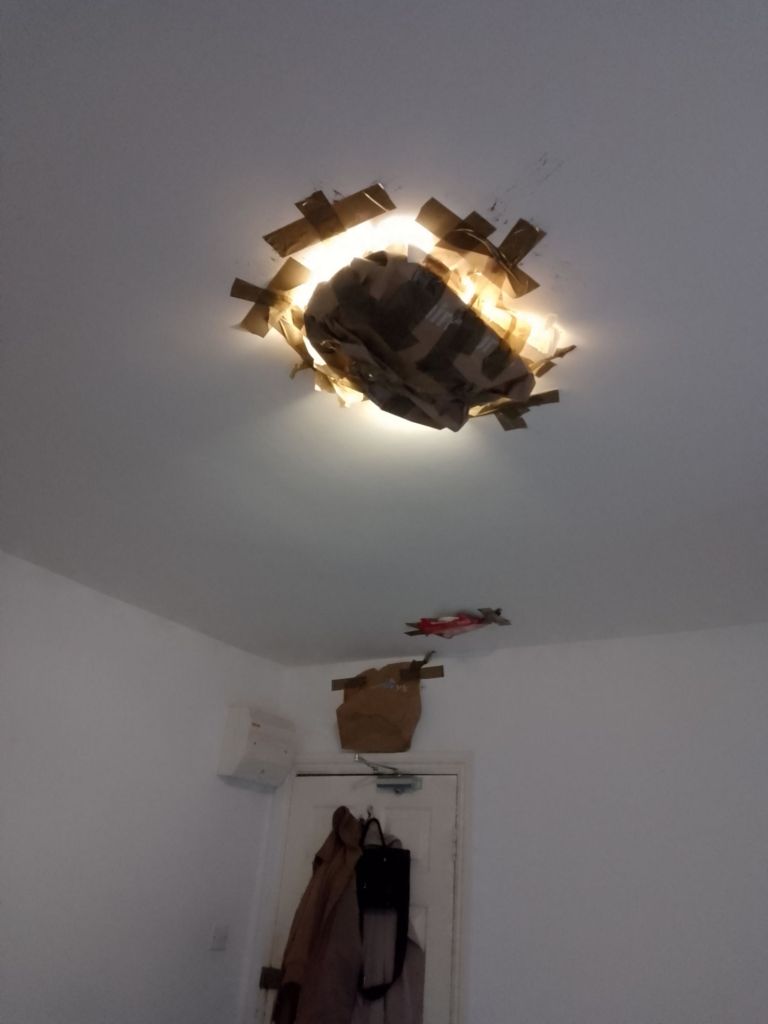
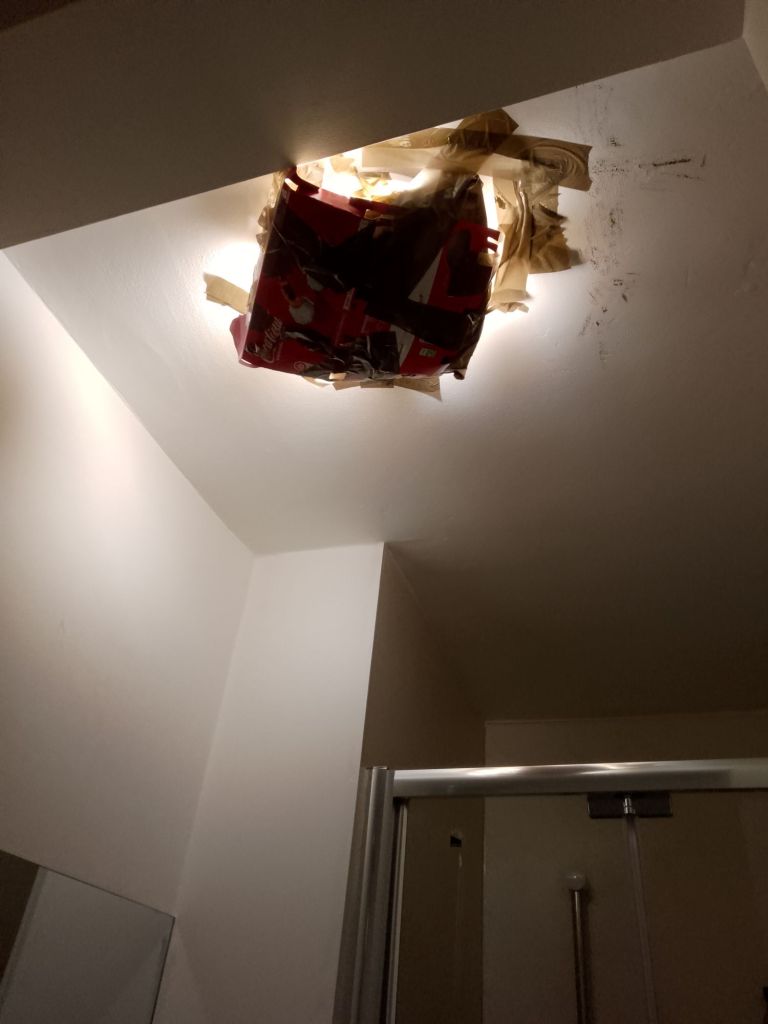
On November 30, 2025, I covered all light bulbs in my room and bathroom with multiple layers of thick paper, specifically because I suspected hidden cameras and audio recordings were installed within them.
Despite these measures, I continued to observe individuals walking past my window at the precise moment I stepped into the kitchen. This pattern of synchronised movement strongly indicates that my movements are still being closely observed.
Furthermore, the frequency of these synchronised appearances increased, with individuals emerging precisely in sync with my movements, as if to demonstrate their continued surveillance and defiance of my attempts to secure my privacy.
This continued, precise surveillance, even after physical obstructions were placed over suspected camera locations, suggests the use of highly sophisticated surveillance technology. It appears to indicate the deployment of advanced hidden cameras capable of detecting movement through multiple layers of thick paper, potentially mirroring technologies used in military applications for ‘through-wall’ detection. This level of technological capability underscores the resources and power of the perpetrators.
The synchronised and escalating nature of these appearances, particularly following my efforts to obscure potential camera locations, serves as a direct form of intimidation and a clear message that I remain under constant surveillance, despite my attempts to protect my privacy. This constitutes a deliberate and ongoing act of harassment and psychological distress.
This continued, sophisticated surveillance reinforces my initial claim that the defendants are “powerful people working within law enforcement agencies, tech companies, social media platforms, and the like,” as such technology and coordination would require significant resources and organisation.
This persistent and technologically advanced surveillance, coupled with the overt acts of intimidation, has caused and continues to cause severe psychological distress, fear for my safety, and a profound sense of violation of my most fundamental rights to privacy and security in my own home.
I covered all the lights and smoke detector in my room, where I believe hidden cameras and audio recordings may have illegally been installed. I also covered the light bulb in the bathroom. Still, they appear to be able to see through layers of trick papers!
Understanding Image-based Abuse Under the Sexual Offences Act 2003
The right to privacy is not a privilege — it’s a fundamental human right. Yet for many victims of voyeurism, illegal surveillance, and image-based abuse, this right is routinely violated in the most degrading ways imaginable.
Under Section 66(b) of the Sexual Offences Act 2003, it is a criminal offence to share or threaten to share an intimate photograph or film of a person without their consent. The law recognises several situations in which a person is considered to be in an intimate state — including acts of a sexual nature, exposure of genitals or breasts, urination or defecation, and any act of personal care related to those functions.
In short, the law is clear: recording or distributing such material without consent is a form of sexual abuse.
What Counts as an “Intimate State”?
The College of Policing guidance defines it precisely. A person is in an intimate state if:
They are participating in or engaging in a sexual act;
They are doing something a reasonable person would consider sexual;
Their genitals, buttocks, or breasts are exposed;
They are urinating or defecating; or
They are carrying out personal care associated with those acts.
These definitions capture not only overtly sexual acts but also moments of bodily vulnerability — the private routines we all expect to perform in absolute privacy.
The Role of Intention and Harm
According to Crown Prosecution Service (CPS) guidance, a crucial element in prosecuting these offences is intent to cause alarm, distress, or humiliation. This is why victim impact statements are vital — they communicate the devastating emotional and psychological effects of these violations.
When Harassment Becomes Psychological Torture
In my own experience, this abuse manifests through constant reminders that my privacy has been invaded — often in ways that appear choreographed to humiliate.
There are times when, immediately after I engage in a private act such as using the bathroom, some individuals outside begin chatting loudly, or a housemate exits / returns to the property as if on cue. These synchronised acts, repeated over time, send a clear message: you are being watched.
Such experiences go far beyond harassment. They are psychological tactics designed to reinforce powerlessness and fear, to make the victim feel that even their most private bodily functions are subject to surveillance and mockery.
The Human Cost
The emotional impact of these invasions cannot be overstated. To know or even suspect that one’s most intimate moments have been observed, recorded, or broadcast — and then weaponised to cause humiliation — is to live in a constant state of distress. It erodes dignity, safety, and trust in the world around you.
I have felt violated, degraded, and stripped of my humanity.
A Call for Recognition and Justice
This form of abuse — the deliberate exploitation of privacy through hidden surveillance, image-based abuse, and sexual humiliation — must be recognised for what it is: a serious sexual offence under UK law.
Victims deserve to be believed, protected, and empowered to seek justice. Law enforcement and the public must understand that these acts are not “pranks” or coincidences — they are orchestrated violations designed to cause trauma and control.
Privacy is sacred. The law exists to defend it. And silence only protects the perpetrators.
🚨 Open Call to Journalists & Human Rights Organisations: Please Investigate the Systematic Abuse and Denial of My Right to Legal Representation
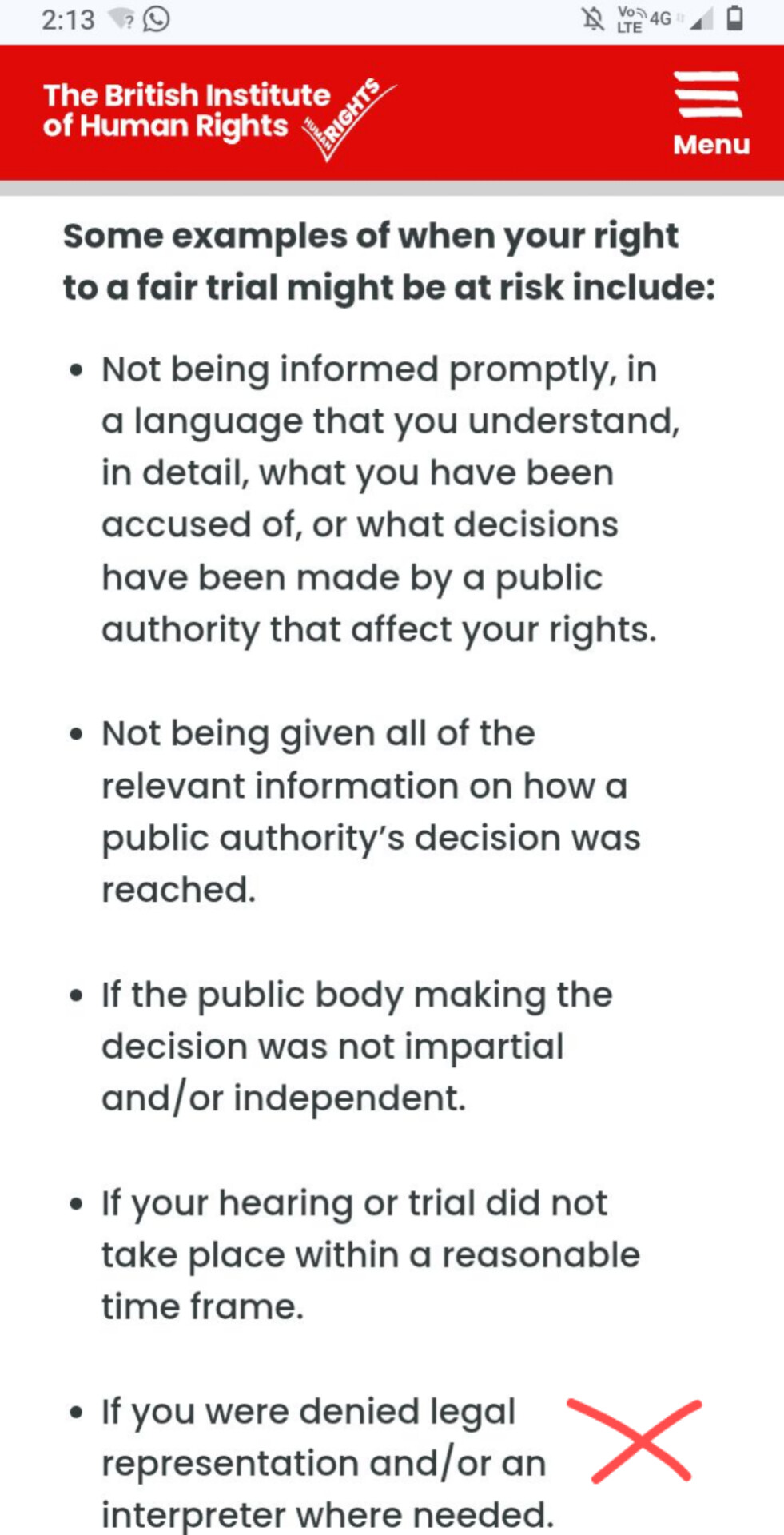
The defendants I am suing also have solicitors to represent them. But I am not allowed to have legal representation due to the alleged blocking of my access to lawyers, forcing me to represent myself against powerful state and non-state actors. What is this?
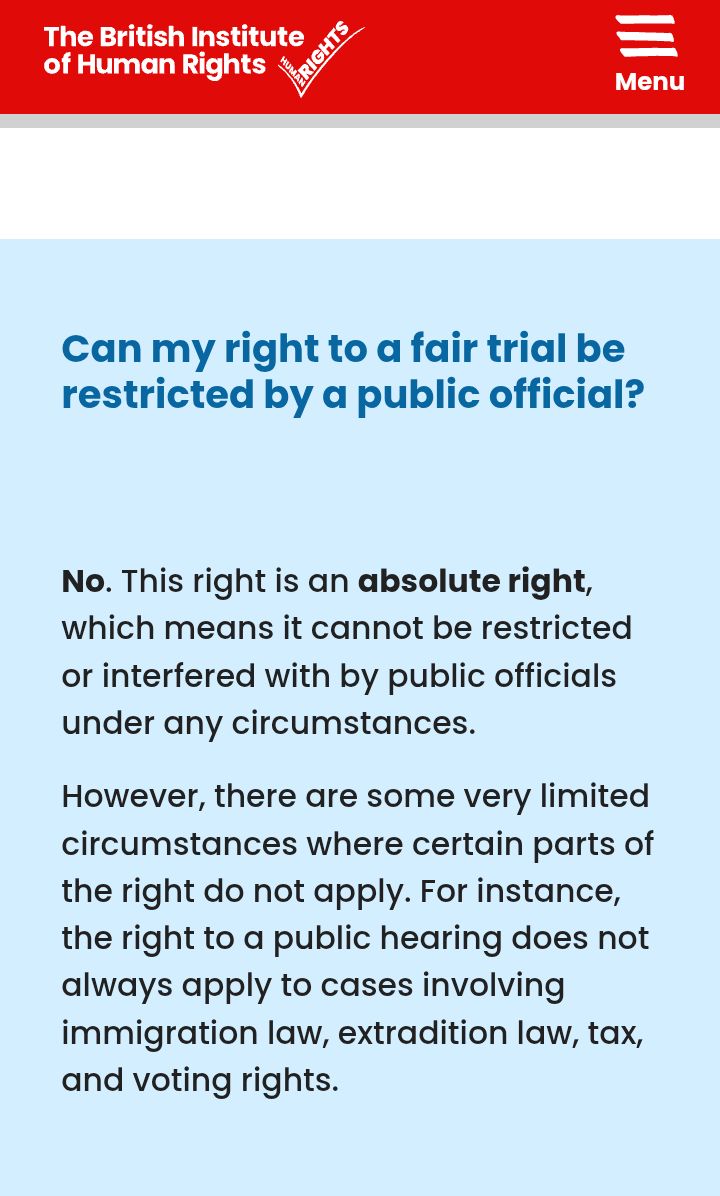
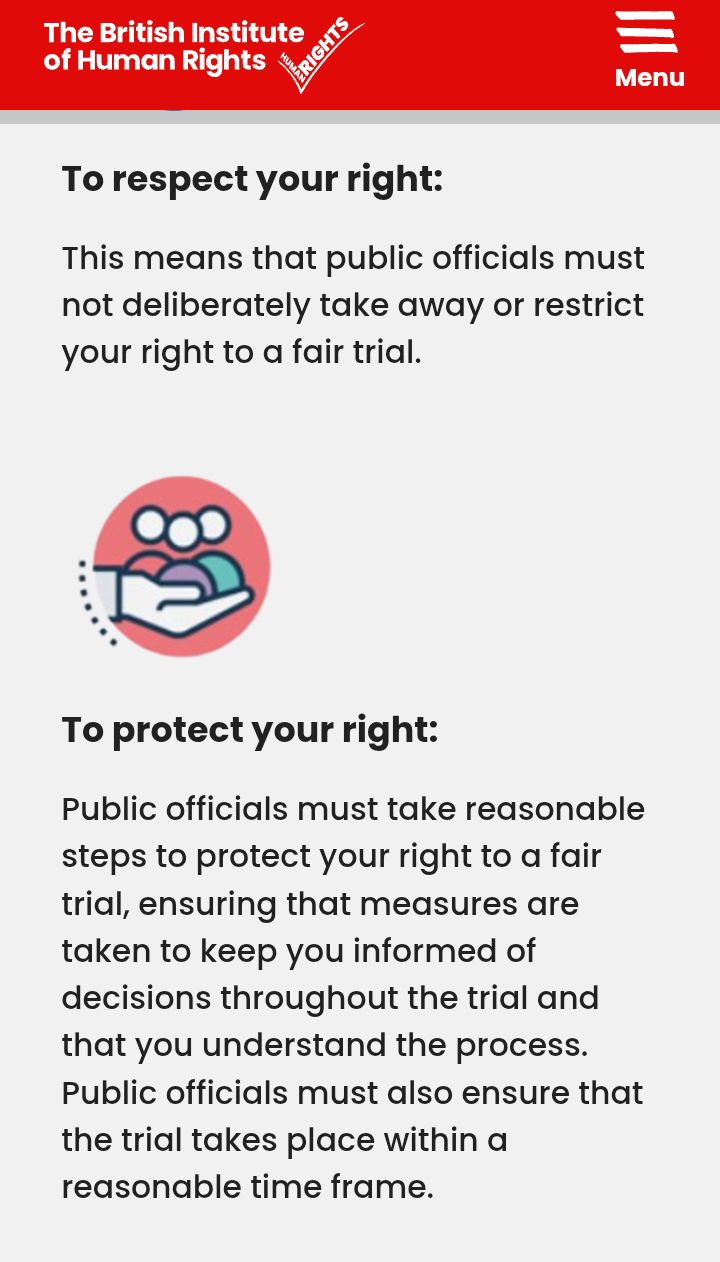
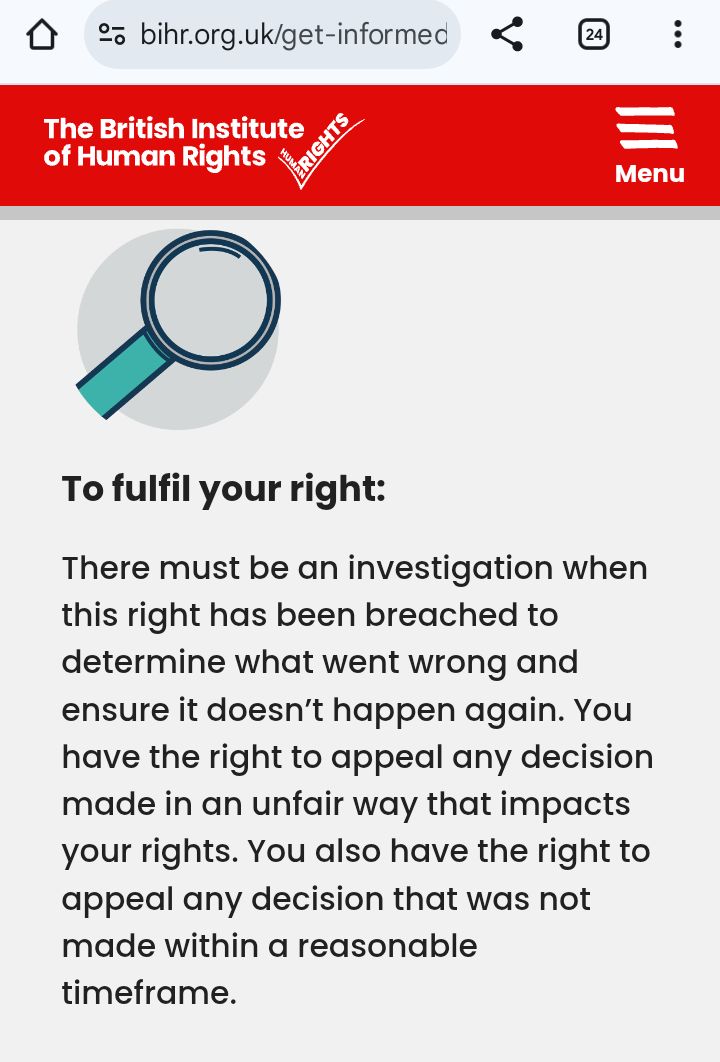
Consequently, this is a grave violation of my human right article 6 (Right to a fair trial) under the Human Rights Act 1998.
I cannot even use my phone and laptop to contact anyone for help safely and confidentially. Because all my online activities and communications seem to have been monitored and listened to at all times to prevent me from seeking help and from preparing my case fairly, safely and confidentially.
Some Background:
For over a year, I have been subjected to an escalating campaign of psychological harassment, psychological torture, mental abuse, unlawful surveillance, intimidation and coordinated public humiliation — across borders and involving state and non-state actors.
Despite repeated complaints and numerous attempts to seek legal protection through proper judicial channels, I am being systematically denied access to legal representation.
This is not due to a lack of effort on my part. I have contacted dozens of solicitors, about 200-300 so far, submitted formal complaints to legal regulators, and applied to the courts for urgent injunctions and relief. Yet every attempt is either blocked, withdrawn without explanation, or mysteriously interrupted — often immediately after I submit sensitive evidence or publish new details online.
It is now clear that this is not coincidental. It appears to be a deliberate pattern of obstruction, aimed at silencing me and preventing legal accountability for what I believe are serious and unlawful actions — including:
Racial and sexual harassment (e.g. illegal surveillance, phone tracking)
Hacking/Cyberstalking and interception of communications
Sexual exploitation via 24/7 voyeurism and cybersex trade, despite initiating court proceedings and applying for an urgent injunction the abuses shockingly continue with impunity
Social ostracism
Character assassination and public shaming
Interference with the right to a fair trial under Article 6 of the Human Rights Act
Torture, inhuman and degrading treatment, in violation of Article 3 – the torture I have to go through each day is both mental and physical in which I am not even allowed to take a shower and have consequently not taken a shower for days now!
Violation of my right to private and family life, protected by Article 8
Severe discrimination, in violation of Article 14
And many more!
I am calling on all journalists, legal advocates, and human rights organisations to urgently investigate this matter and help bring attention to what is happening. I am documenting everything in real time and can share evidence with trusted parties under safe, confidential conditions.
> Everyone deserves a fair chance to be heard — especially when powerful actors are involved. Everyone deserves legal protection — not punishment — for speaking out.
If you are a journalist, solicitor, barrister, human rights worker, or NGO interested in helping or investigating, please contact me via my secure contact form or by encrypted email (available upon request).
Article 6 doesn’t give you an automatic right to free legal representation in civil cases. But if your case is too complex for you to represent yourself properly, there may be a breach of article 6 if you don’t get help with legal costs.”
My case is also too complex for me to represent myself properly. Consequently, there may be a breach of my article 6 if I don’t get help with legal costs and/or legal representation.
Article 6 of the European Convention on Human Rights (ECHR) guarantees the right to a fair and public hearing within a reasonable time by an independent and impartial tribunal. This right applies to both civil and criminal proceedings and includes key safeguards such as:
The right to equality of arms between parties.
The right to legal representation where necessary for effective participation.
The duty of the court or tribunal to provide reasoned judgments.
Thus, it’s very frustrating when I can’t get impartial legal advice and can’t have legal representation, so that the abuse can continue under the radar.
if you’re a human rights solicitor, a human rights organisation, or just someone who’s willing to help me, please do not hesitate to contact me.
If you’re a journalist and would like to investigate this, please feel free to contact me as well.
But all my online activities and communications appear to have been monitored at all times, so I don’t know how to go about this. If you have any ideas, please let me know as well.
While you’re here, please don’t forget to donate by scanning the code on the image below: