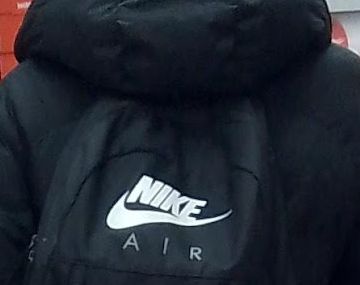
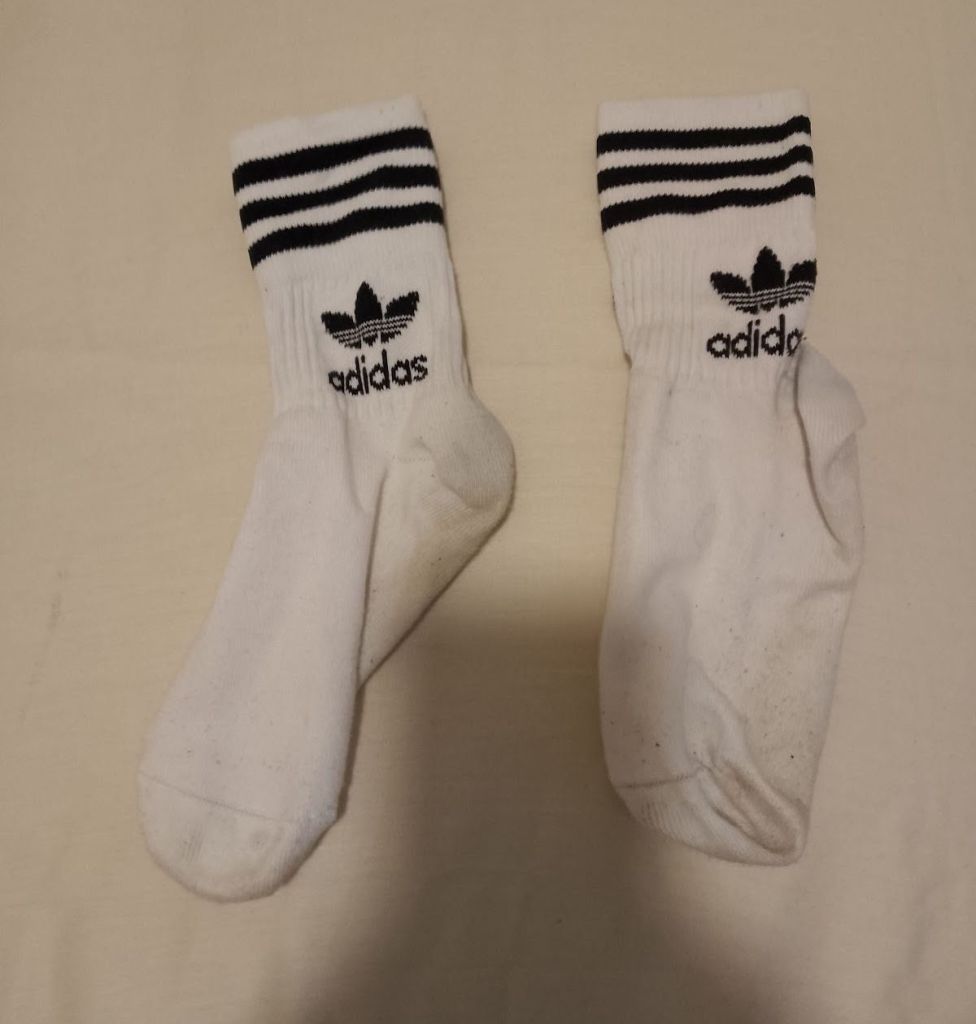
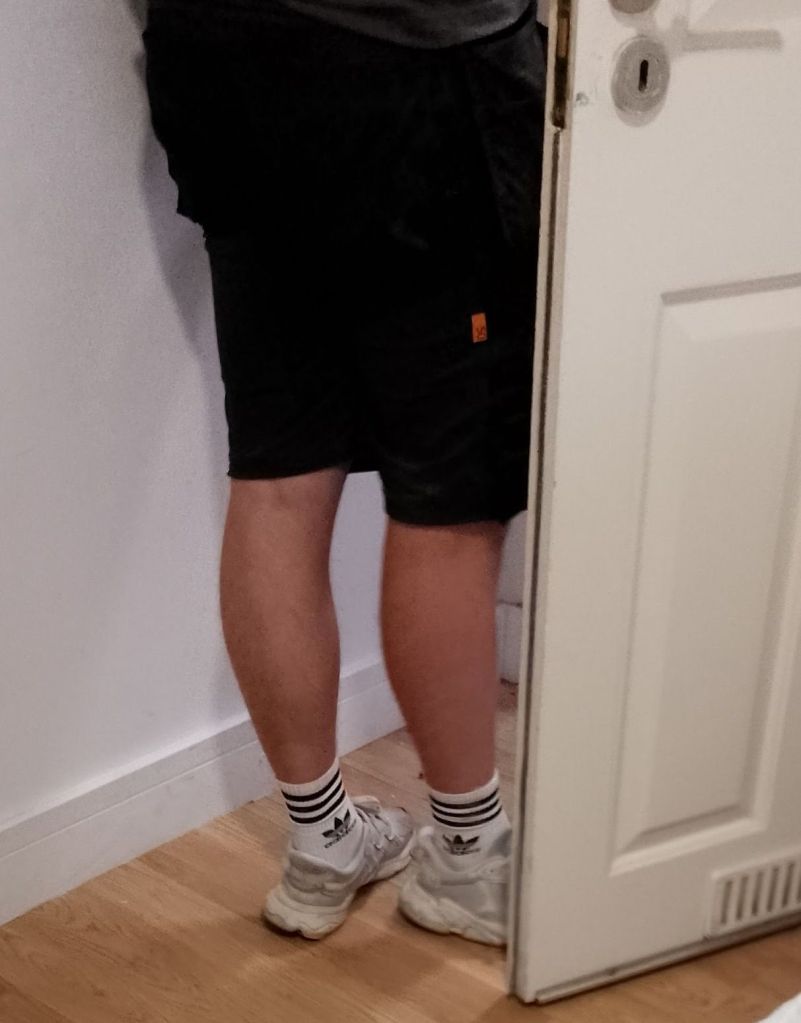
Over time, I began to notice something unsettling: everyday brands I personally own and wear—particularly Adidas and Nike—started appearing frequently in situations that felt targeted and distressing.
These are brands I already had in my wardrobe. Ordinary, unremarkable choices. And yet, after certain private moments, disclosures, or legal work, I would suddenly notice individuals around me wearing the same brands in conspicuous or repetitive ways, often at moments when I already felt vulnerable or under pressure.
It began to feel as though what I owned, what I wore, and what was familiar to me was being reflected back at me—not neutrally, but in a way that felt mocking, intrusive, and unsettling.
The Appearance of Instruction
What troubled me most was the consistency. It often appeared as though individuals had been instructed to wear Adidas or Nike in specific contexts or just to harass me. On some occasions, I could not shake the impression that these appearances were not coincidental, but part of a wider pattern intended to remind me that my private life was being observed.
I began to wonder whether clothing itself had been turned into a signalling mechanism—using what I already own to unsettle me further. I begin to think that people might even be financially incentivised or provided with clothing in order to wear it for this purpose. They appear to use repetition techniques a lot to condition me to certain stimuli.
Why Puma?
More recently, I also noticed the Puma brand appearing in similar contexts.
This stood out to me because Puma is not a brand I personally own or wear. That raised new questions. Why this brand? Why now?
One possibility I cannot ignore is that Puma may be used not to reference me directly, but to suggest knowledge of people close to me—perhaps family members or individuals in my personal life who do own or wear Puma. If so, this would imply that information about people I know is also being accessed or exploited through unlawful or intrusive means.
Thus, the pattern feels deliberate when it’s being done repeatedly, and it adds another layer of distress.
When the Ordinary Becomes Weaponised
What makes this particularly disturbing is how ordinary objects—clothes, logos, familiar brands—can be repurposed into something that feels threatening when placed in the right context.
There is no overt threat. No explicit message. Just repetition, timing, and symbolism.
That ambiguity is what makes it so effective—and so cruel.
Why I Am Writing This
I am sharing this to document my lived experience and the psychological impact of these repeated patterns and to warn other potential victims of this form of insidious harassment technique. So, they can recognise this type of harassment method.
Harassment does not always come in loud or obvious forms. Sometimes it hides in the familiar, using subtle cues to destabilise and distress.
This adds to the growing sense that nothing in my life remains untouched.
I write this so there is a record. So that others understand how harassment can operate through symbolism.




Leave a comment