On 27 August 2025 at approximately 3:05 pm, I stepped out of my accommodation to go to the library and print my settlement offer letters. Within seconds, I encountered yet another incident that fits the now-familiar pattern of mirroring and colour coding used to signal that I am being watched in real time.
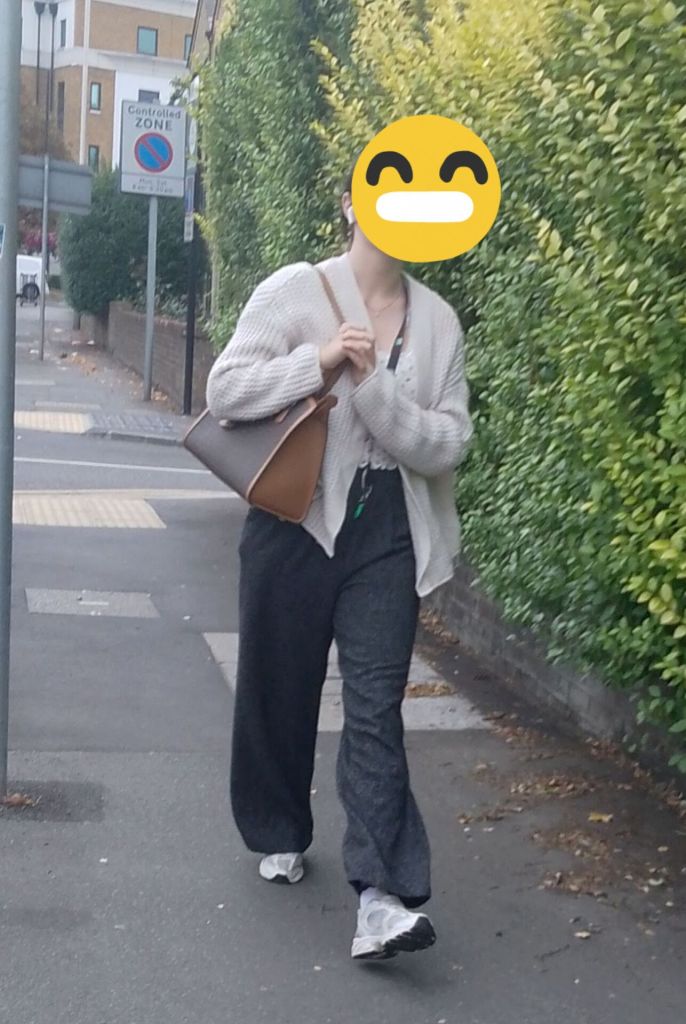
As I walked down the street, a woman passed me wearing a combination of beige and dark grey—colours that have recently been used repeatedly in harassment tactics. More strikingly, she carried a bag over her shoulder in the exact same way I had carried my tote bag moments earlier while inside my room. She made deliberate eye contact and gave a subtle, knowing smile. She also wore wireless earbuds, which many of the harassers often wear to receive real-time instructions, how to harass me.
Individually, these details might appear insignificant. But in context, the timing, the mirroring of my items and movements, and the expression on her face were unmistakably calculated. Experiences like this have occurred consistently after I prepare legal documents, publish evidence, or take steps to assert my rights. It felt like yet another reminder that my private life is not private — that my daily movements, my belongings, even how I carry my bag are being watched, recorded, and reflected back at me through members of the public.
What makes these incidents especially distressing is the implication that hidden camera footage from inside my room is being accessed and circulated. This goes far beyond voyeurism. It points to large-scale misuse of private information, where my everyday life is being monitored, mirrored, and potentially monetised as if I were unwilling entertainment in a “Big Brother”-style illegal production. And the fact that these behaviours continue despite anticipated court proceedings makes the situation even more alarming.




Leave a comment